
You’ve certainly seen the milk-mustachioed celebrities featuring milk ads daily on Pakistan’s TV channels:
“Roz roz Good Milk Jiya karo” (Live good milk daily)
Why there is so much emphasis on milk? Obviously, these ad campaigns are only to sell more milk. But these ads have been remarkably successful. Do not take it as a wild guess: One out of every five Pakistani rupees now spent for food in Pakistan for the purchase of milk and dairy products (as they account for 22% of the whole kitchen expenses), where packaged milk is only 6% of the total milk consumed. This tells us a rotund reality that the dairy industry is a big business.
But why milk matters?
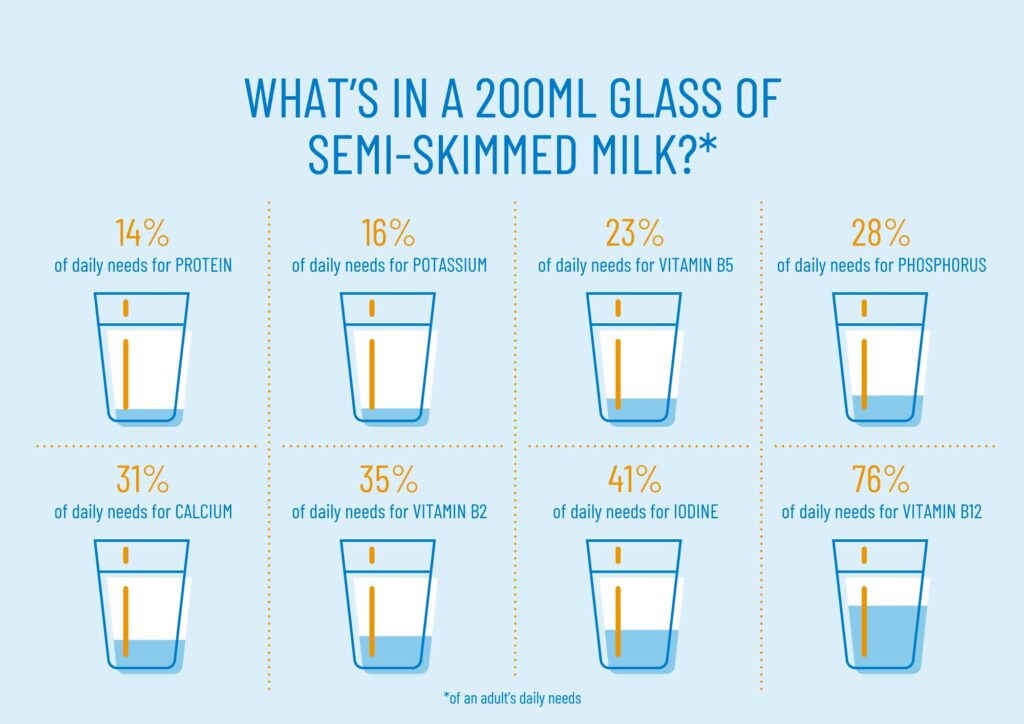
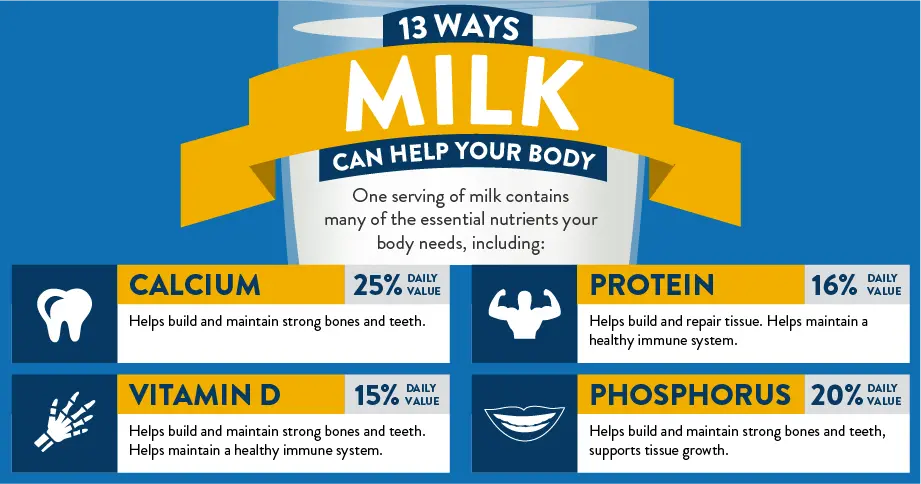
Milk is a concentrated source of certain nutrients. Every glass (8-ounce) of milk supplies 8 grams of protein, 30% of your daily calcium, as well as riboflavin, vitamin B12, and vitamin D. Its nutritional value is not surprising, given that cow’s milk helps calves grow and develop in a short time into large animals with massive skeletons and musculature. Milk from goats, water buffaloes, and other herd animals is nutritionally similar to cow’s milk.
When you drink milk from one of these large animals, you get a big dose of protein, vitamins, and minerals in a few gulps. In fact, milk is much more nutritious than fruit juice (contains no protein or riboflavin, even no calcium unless fortified with mineral), soft drinks (no essential nutrients), coffee, tea, and water. That does not mean you need it. And along with the benefits, drinking cow’s milk has some significant drawbacks.
Still, is milk necessary?
No. Do you know that man is the only species on earth to drink milk as an adult? Humans, like all mammals, have no need for milk after infancy. Why? Your body after infancy gets calcium from other sources in your diet, like plants. Young children gradually stop producing lactase, an enzyme present in infancy that permits babies to digest the milk sugar lactose.
By adulthood, most people no longer produce lactase and have a limited ability to digest milk. This natural condition is lactose intolerance. Most of the world’s adults are lactose intolerant to some extent. And when lactose intolerant people drink milk or eat other dairy products, they often experience symptoms such as gas, bloating, nausea, and diarrhea.
And it isn’t safe as well.
Drinking cow’s milk is linked to these disorders: Diarrhea and cramps, gastrointestinal bleeding, iron-deficiency anemia, skin rashes, atherosclerosis, and acne. So have recurrent ear infections and bronchitis. Can there be more? Yes. Leukemia, multiple sclerosis, rheumatoid arthritis, and simple dental decay are also some candidates.
You need to be careful not to drink too much milk. The Harvard Physicians found that increased quantities of cow’s milk are associated with increased risk of prostate cancer and increased risk of osteoporosis.
The hormones and antibiotics in milk can also be problematic. Many countries worldwide have banned the use of bovine growth hormone, or rBGH, simply because it gets into the milk and dairy products that humans consume. Another Harvard study found that farmers use rbgh to artificially increase milk production that also damages the cow’s udders and cause disease. So, stay away from #gawalas, the local milkmen selling milk openly.
What about the packaged milk?
As per the recent instructions of the SCP (Supreme Court of Pakistan), PCSIR has recently conducted tests on 16 most frequently used packaged milk brands in Pakistan. The purpose of these tests was to give UHT (ultra-high temperature) and pasteurization treatment to milk based on 27 microbiological parameters considered important for human health.
The reason why dairy companies use UHT treatment is to increase the shelves life of packaged milk. They kill harmful bacteria by heating milk above 135 degrees Celsius. Pasteurization does the same, but also gives “lower temperatures and preserves microbes that are good for human consumption while eliminating harmful ones.”Out of 16 milk brands tested, PCSIR declared only six are healthy for human consumption—including“Day Fresh, Good Milk, Nestle Milk Pak , Nurpur Original, Olper , and Prema Milk.” Stay away from these pasteurized packaged milk brands: Anhaar Milk, Daily Dairy, Doce Milk, Gourmet Milk, Nurpur Milk, Nutrivo Milk, Al-Fajar Milk, Achaa Milk, and Adams Milk. If you do consume packaged milk, always look for this phrase on the label: “Produced without rBGH.”